The regenerative energy cycle

Solar arrays power an electrolyzer to produce and store hydrogen and oxygen during the lunar day. The stored fuel provides continuous power through the 14-day lunar night while enabling refueling for landers, rovers, and other surface systems.

Stage 1

Solar generation

Sun-tracking solar arrays capture lunar sunlight and generate electricity to power surface operations while charging the regenerative energy system.

Stage 2

Electrolysis & storage

Excess solar power drives electrolysis, splitting recovered water into hydrogen and oxygen for long-duration energy storage and future refueling.

Stage 3

Fuel cell discharge

During the lunar night or periods of peak demand, the fuel cell converts stored hydrogen and oxygen back into electricity, with water recovered and recycled to complete the regenerative cycle.

Real-time coordination across every unit

Our control software continuously rebalances load across generation, storage, and consumption — adapting in seconds as thermal and power conditions shift through the lunar day.

Every deployed unit reports telemetry back to a shared model that plans generation and distribution days in advance, and reroutes around faults autonomously.

Grid Telemetry — Illustrative
Nominal
Grid output
842 kW
Storage reserve
96.4%
Units online
18 / 18
Night endurance
14.2 days

Powers everything from a single rover to large-scale surface infrastructure

The same regenerative cycle, sized up. Units combine into a shared grid without redesigning the underlying system.

1 kW
Rover / instrument
Single-unit power for mobile payloads and science instruments.
10 kW
Habitat module
Life-support-grade power, hydrogen, oxygen, and water for a crewed module.
100 kW
Outpost
Multi-unit array supporting a shared outpost grid and ISRU equipment.
1 MW+
Surface utility
Utility-scale generation and distribution across a lunar base or industrial site.

Built for the lunar environment

Deployed independently or as one coordinated grid.
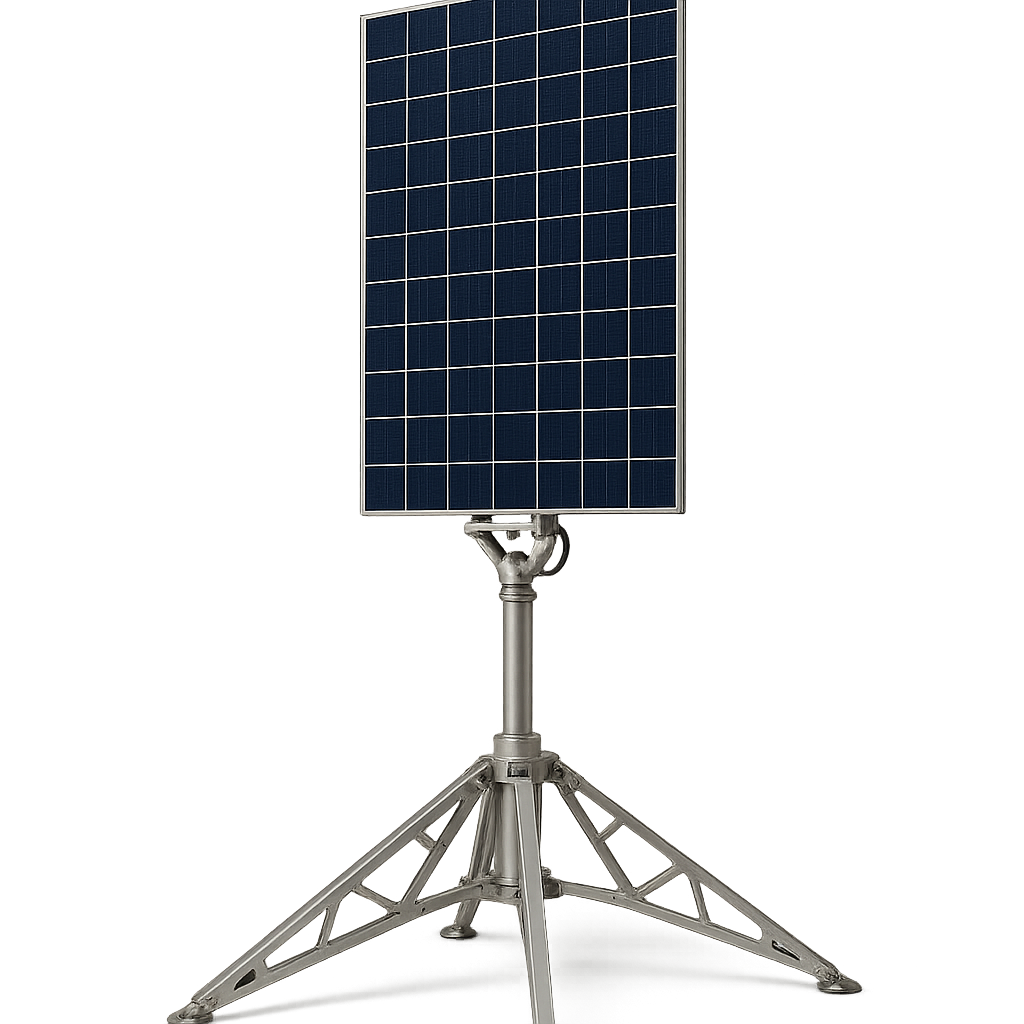
Vertical deployable lunar solar array
Generation

Solar Arrays

Capture lunar sunlight and generate electrical power.
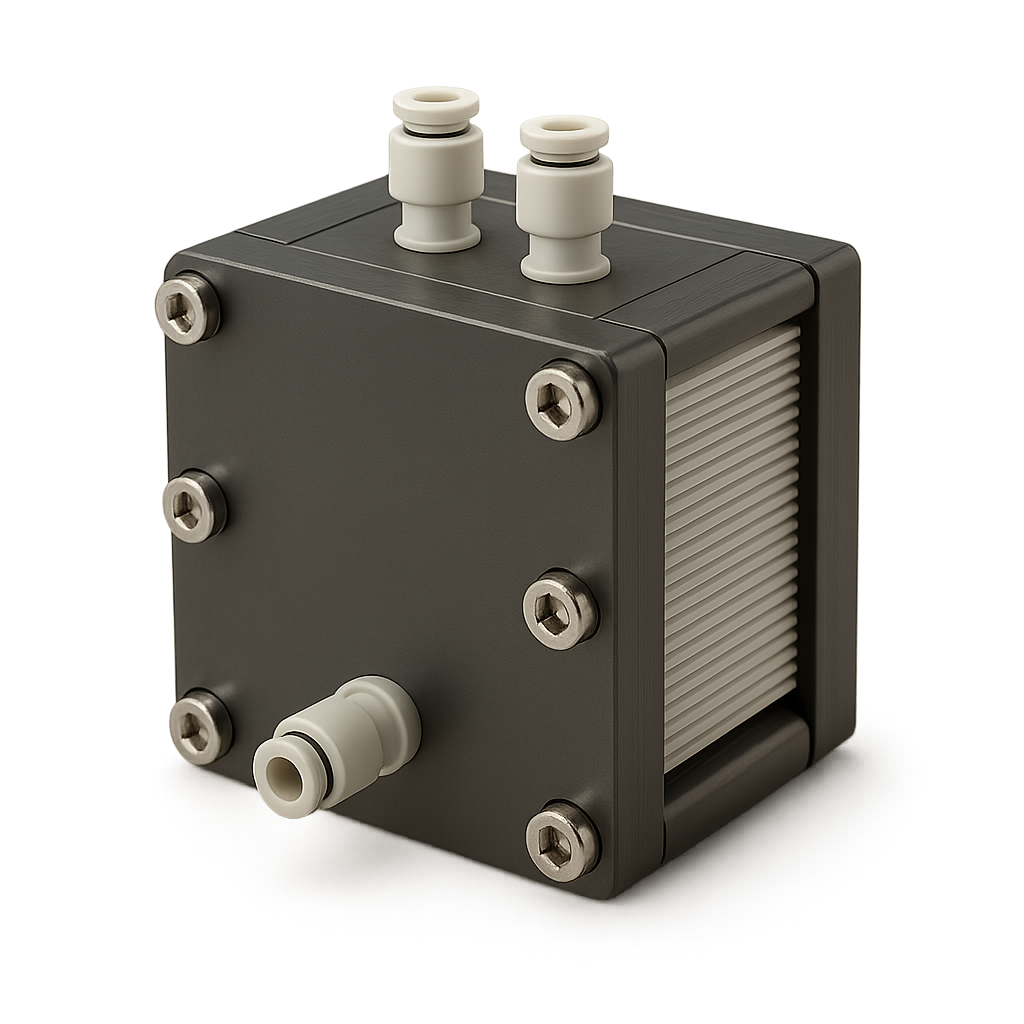
PEM electrolyzer stack
Conversion

Electrolyzer

Convert excess solar power into hydrogen and oxygen.
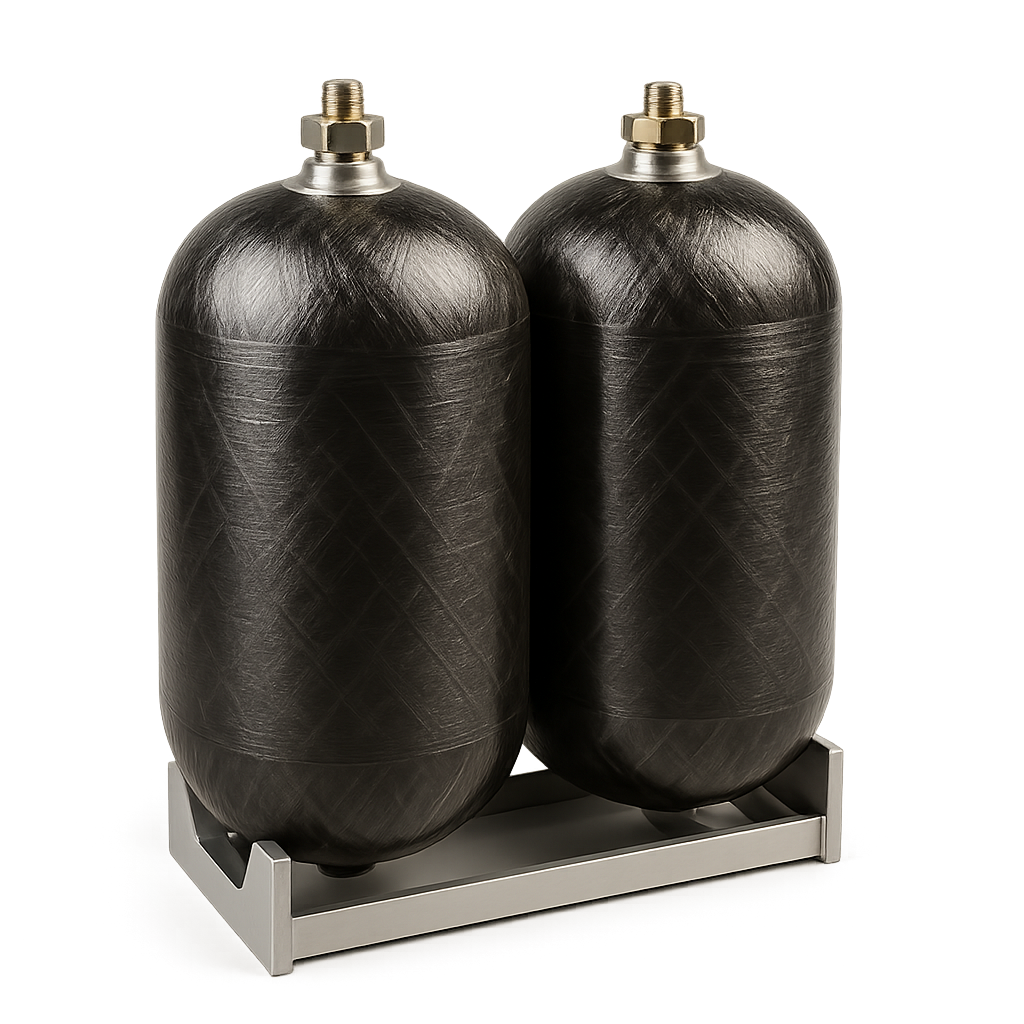
Composite overwrapped hydrogen and oxygen pressure vessels
Storage

H₂/O₂ Storage

Store hydrogen and oxygen for long-duration energy storage and future use.
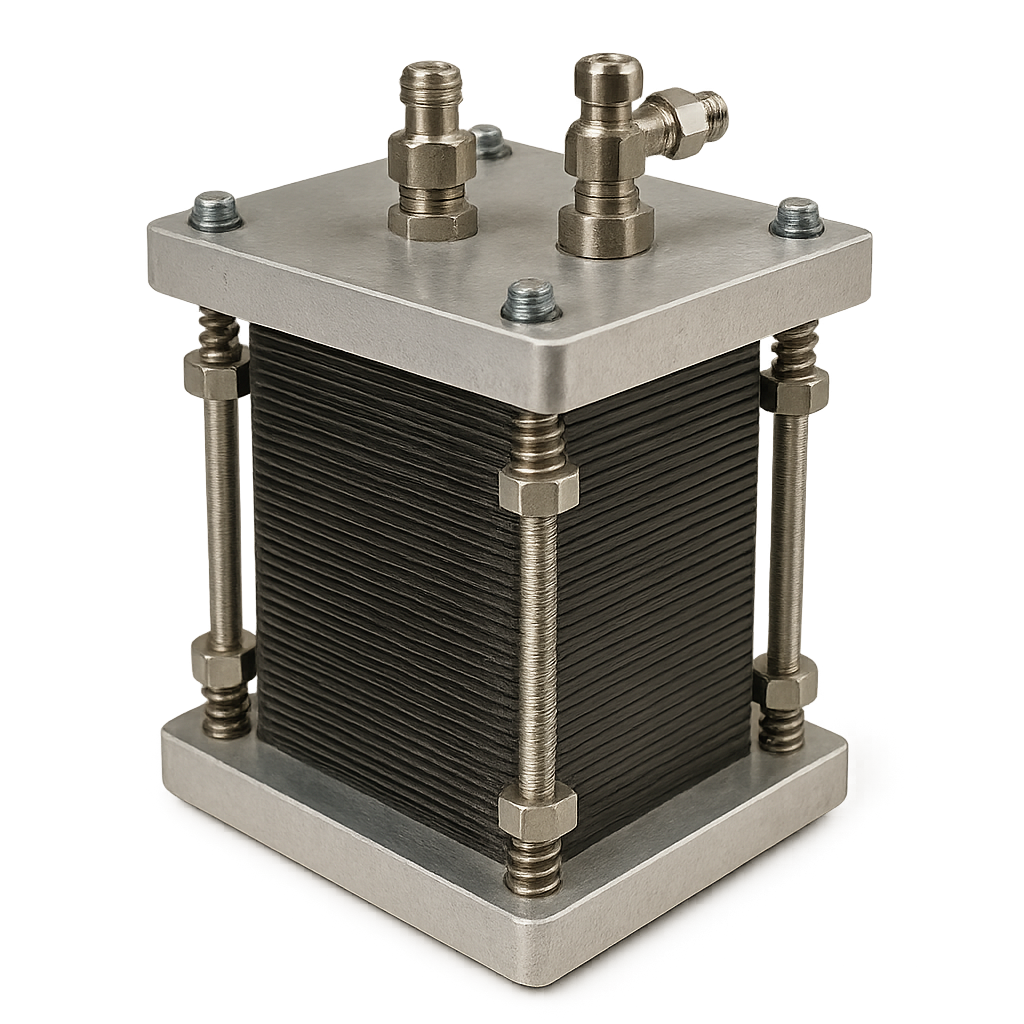
PEM fuel cell stack
Generation

Fuel Cell

Convert stored hydrogen and oxygen into continuous electrical power.
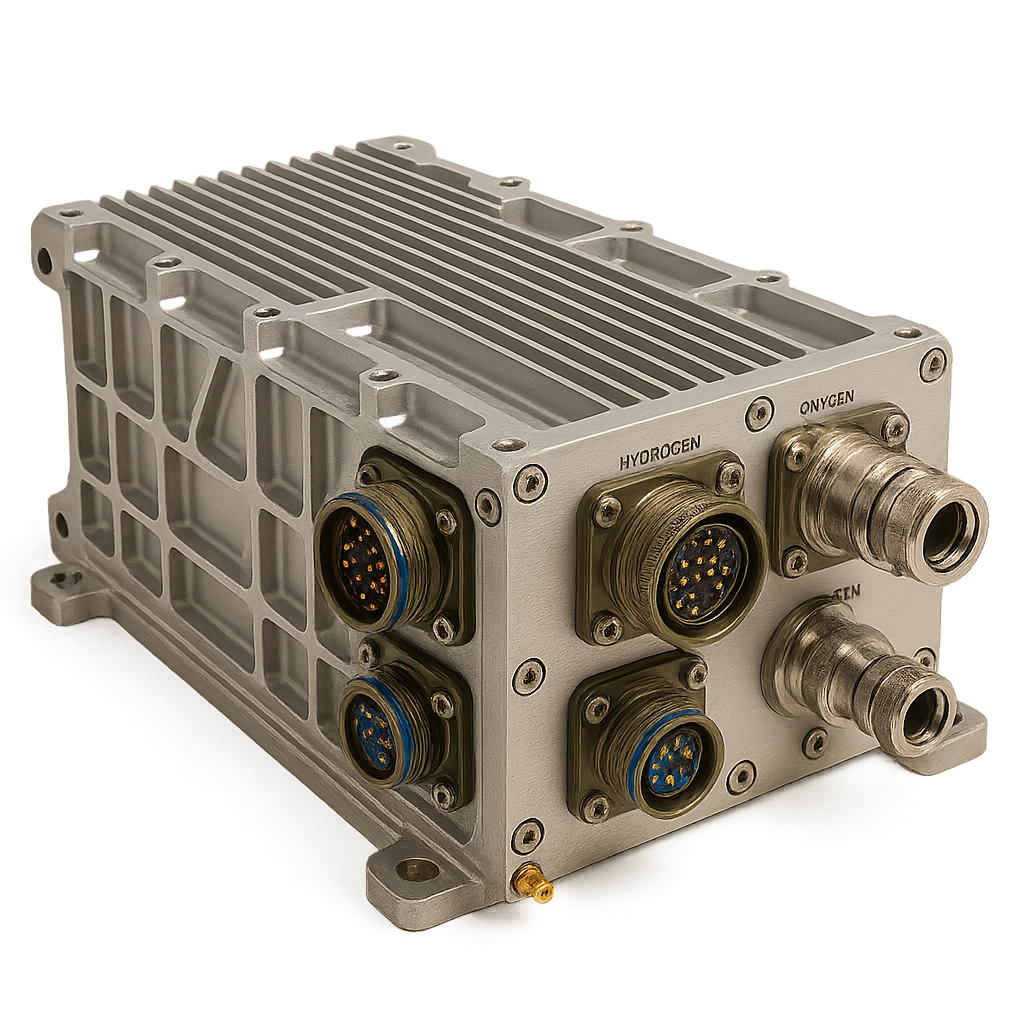
Power distribution and refueling unit
Distribution

Power & Refueling Module

Manage power delivery, transient battery buffering, and hydrogen/oxygen transfer for refueling lunar vehicles and surface systems.

Where the platform deploys

Rovers

Mobile power and life-support gases for surface exploration.

Habitats

Continuous power, oxygen, and water for crewed modules.

ISRU

Process power for in-situ resource utilization operations.

Science & Defense

Reliable off-grid power for remote instruments and strategic sites.

Built as a utility, not a one-off power system

Unlike battery-only systems that fail through the lunar night, RTGs that can’t scale, or missions that import every consumable, Orbital Utility’s platform regenerates its own power, gases, and water in place — and shares that capacity across missions.