We believe the Moon needs a shared utility layer before it can support sustained human and robotic presence — so we’re building it: one AI-coordinated system producing power, hydrogen, oxygen, and water for every mission that follows.
Every credible lunar roadmap — government and commercial — assumes sustained surface operations through multiple lunar nights. Today, every mission still solves power, life support gases, and water on its own, at enormous mass and cost penalty. Orbital Utility was founded to build the shared infrastructure layer underneath all of it, so missions can plug into existing capacity instead of launching their own from scratch.
“Every lunar mission currently solves power from scratch. We’re building the utility layer so the next one doesn’t have to.”
The team spans AI/autonomy, aerospace systems engineering, electrochemistry (fuel cells & electrolyzers), and spacecraft development.
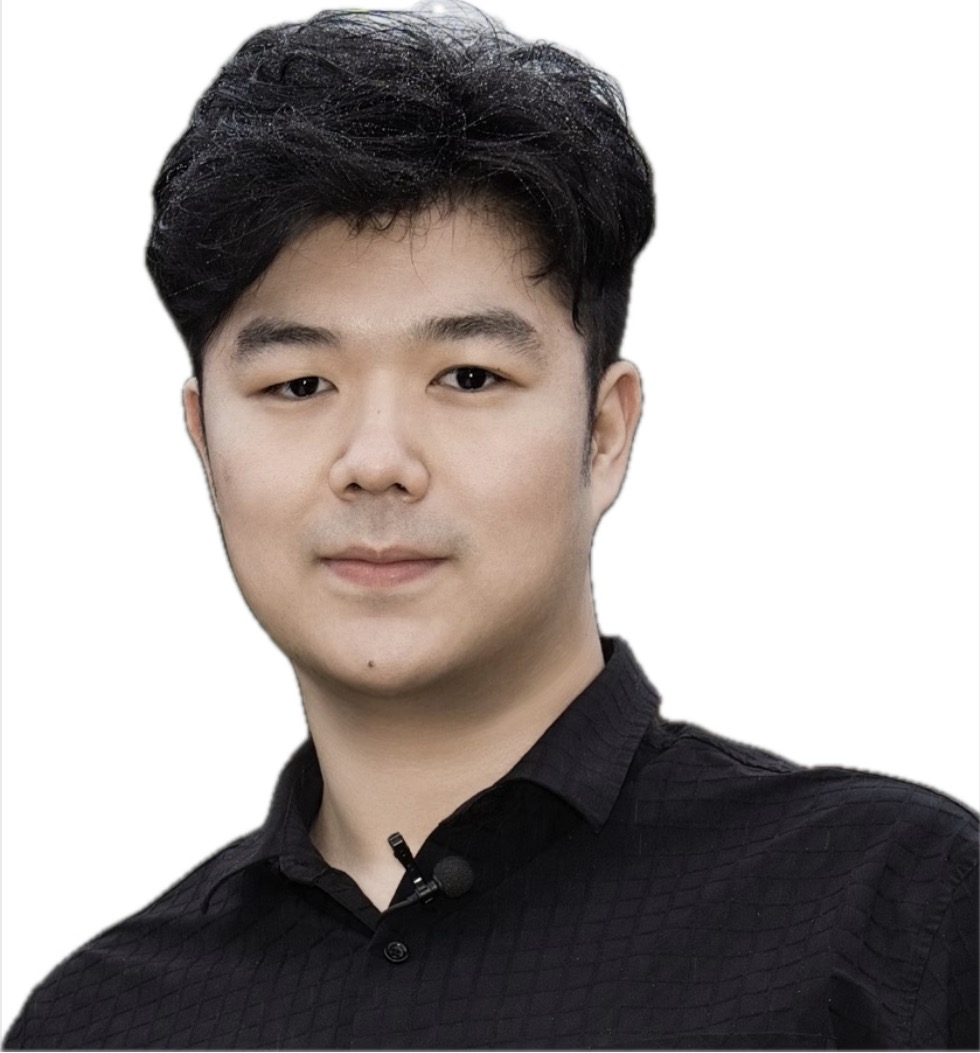
Former spacecraft thermal engineer at Northrop Grumman, Blue Origin, and Turion Space, with experience across government and commercial space programs. Leads vision, system architecture, strategy, and partnerships — with end-to-end experience from mission requirements through flight hardware, and deep expertise in spacecraft thermal, hydrogen, and energy systems.
UC Irvine professor and hydrogen energy researcher with multi-year research in advanced energy systems. Leads cell architecture, electrochemistry, stack design, IP, technical recruiting, and university collaboration — with deep expertise in PEM fuel cells and electrolyzers, published in Applied Energy, Energy Conversion & Management, and Fuel.
Our background spans AI and autonomy, aerospace and spacecraft systems, fuel cell and electrolyzer electrochemistry, and thermal engineering — the disciplines the regenerative lunar power cycle actually requires, combined in one team rather than spread across contractors.
Partner and collaborator details to be added as agreements are finalized.
Talk to us about investing, partnering, or collaborating on research.